Restoration can be an alternative to replacement when the existing steel remains viable. We assess the structure and manage the restoration scope for properties throughout Queens.
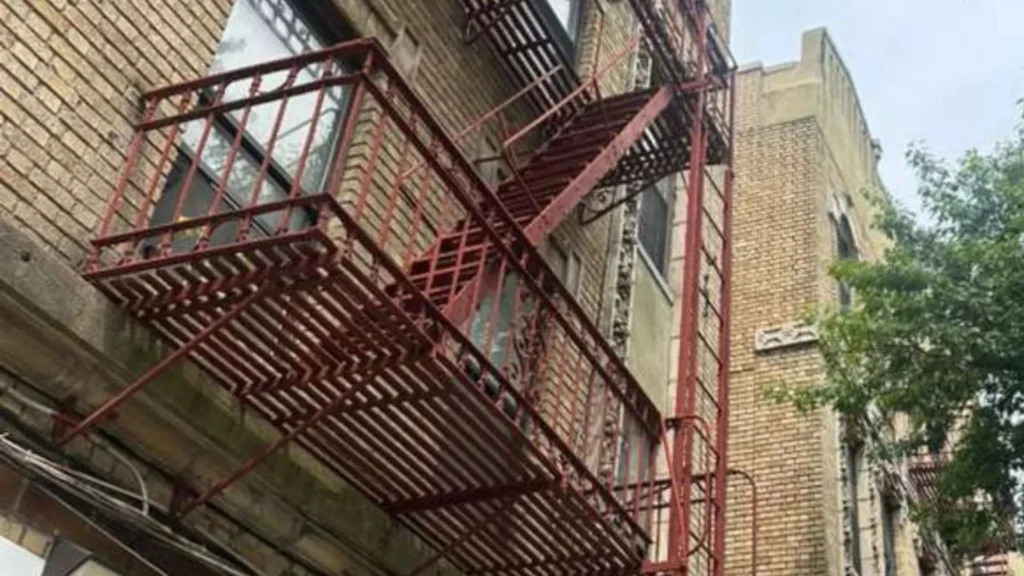
With Fire Escape Restoration in NYC, the first step is determining how extensive the deterioration is. The condition of the steel, connections, accumulated coatings and areas of material loss informs the sequence of work. Because a structure requiring isolated work should not automatically be treated as a full strip-back project.

Years of paint can leave multiple coating layers across an older escape. A full strip-back removes the accumulated system so the underlying steel can be evaluated and prepared properly. On an occupied building, containment and pedestrian protection can be as important as the preparation itself.

Once coatings are removed, previously concealed deterioration may become clearer. Steel with significant section loss may require structural work, while some conditions may exceed the practical scope of saving the existing assembly.

A joining operation does not make every damaged fire escape repairable. Severe section loss, failed anchorage, compromised load paths, or deterioration extending beyond the practical repair area may require replacement or broader restoration. Our team of experts identifies that boundary rather than treating every defect as a reason to weld.

After the steel has been prepared and necessary structural work is completed, the exposed surfaces can receive the specified primer and topcoat system. Surface condition, application requirements, film build and cure conditions all affect the protective finish. We’ve an in-house crew for structural and coating work, keeping the sequence under one scope.

A properly managed project should leave a record of what was addressed and what protective work was completed. The exact documentation provided is confirmed before specific deliverables are promised.
Unlike minor spot-priming, a full mechanical or chemical strip-back targets a century of accumulated coating layers. This process releases highly concentrated toxic dust and debris. Disturbed lead-based paint on pre-1978 structures poses an extreme health hazard. Every layer stripped amplifies the volume of airborne toxins, making full-scale restoration the single highest-exposure activity in property renewal.
Stripping entire facades requires absolute isolation from residential spaces. Heavy-duty containment zones use airtight plastic barriers and negative air machines equipped with HEPA filters. These systems lock down microscopic dust. Mandatory tenant notification ensures residents keep windows sealed and avoid active work zones. Daily multi-stage decontamination protocols keep common areas entirely free of toxic tracking.
Contractors must identify hazards before finalized pricing or scheduling begins. Testing every deep paint layer ensures the work scope accounts for specialized safety gear. Accurate testing dictates the specific containment architecture required. It also ensures full alignment with
Complete abatement fundamentally alters project scheduling. Setting up airtight enclosures, managing safe waste disposal, and executing daily HEPA vacuuming adds significant labor hours. Safe chemical neutralizations or careful low-heat scrapings cannot be rushed. Property owners must budget for an extended project timeline to ensure complete safety and regulatory compliance.
Extensive deterioration around anchorage or the building interface can change the feasibility of retaining the existing structure. The condition of the connection has to be considered alongside the rest of the steel.
If deterioration has progressed through multiple structural members, the amount of work needed to retain the existing assembly may become disproportionate. The decision should be based on actual steel condition, connection integrity, scope and the appropriate professional assessment.
There is a point where rebuilding the existing assembly is not a good decision. That threshold should be established from the structure’s condition and the project requirements. If the existing escape is beyond practical restoration, the next route is replacement or new installation.
We’ll Tell You If It’s Past Restoration.
Occupied buildings add another layer. Tenants may need notice about access restrictions, window proximity, noise, or temporary limitations around the work area. Scheduling should account for the building’s occupied conditions instead of treating the escape as an isolated piece of steel.
The dense pre-war multi-family inventory across Queens relies heavily on structural wrought iron. These fire escapes require specialized structural restoration to remain safe and code-compliant.
When these architectural elements are located within a designated historic district, any repair, or structural replication must strictly align with the Landmarks Preservation Commission (LPC). It’s to prevent stop-work orders or severe municipal fines.
Contractors must carefully replicate or salvage the original detail of decorative brackets, handrails, and platform grates where they survive. Navigating these specialized historic aesthetics requires a contractor deeply experienced in landmark-compliant ironwork.
The structural renewal of [147 Beach 113th Street, Queens 11694, completed in 2015. It demonstrates the precise logistics required for full exterior restoration. The extensive scope required stripping decades of failing, weathered layers directly down to the raw substrate. Crews systematically removed degraded materials, executed critical structural repairs, and completely stabilized the building envelope. A multi-coat system was applied to seal the exterior against future environmental wear.
An old fire escape may be restorable when the underlying steel and connections remain suitable for a coordinated strip-back and structural scope. Extensive section loss, compromised anchorage or deterioration across too many structural members can shift the decision toward replacement.
A repair addresses a defined defect or limited area. Restoration is a whole-structure scope involving extensive preparation, structural work where required, and rebuilding the protective coating system.
There is no responsible fixed duration without knowing the structure's condition, access, coating layers, containment requirements, structural scope and weather-dependent work conditions. A project-specific sequence should be established after the building is assessed.
Yes, occupied conditions can be planned into the project. Tenant notification, access, containment, window proximity, sidewalk protection and work sequencing need to be considered before extensive coating removal begins.
Lead-safe working practices can be incorporated when older coating layers may contain lead. Testing and abatement are separate services, and the appropriate requirements should be confirmed before extensive coating removal begins.
Call (718) 750-3967 • Request an assessment
We’ll assess the restoration scope, with lead-safe handling and a written warranty on the specified coating system.

We’ve been working with Queens property owners since 2004. Whether the structure needs coating, repair, welding, or restoration, we keep the work with one accountable crew.
Copyright © 2026. All rights reserved.